Table Of Content

Before you get alarmed, I hope you read this article, which will not only give you hope, but also provide actual proven natural treatments for thinning hair. For starters, nutritional deficiencies are often a cause of thinning hair. Dr. Wilma Bergfeld, a prominent Cleveland Clinic dermatologist who specializes in hair loss, has found that low iron levels contribute to hair loss. (2) This is just one of the causes of hair thinning that can be addressed using natural treatments for thinning hair like diet, natural supplements, essential oils and more. The type and severity of hair loss you experience may determine the outcome (prognosis). Some types of hair loss are permanent, especially if you have damage to your hair follicles.
How is hair loss treated?
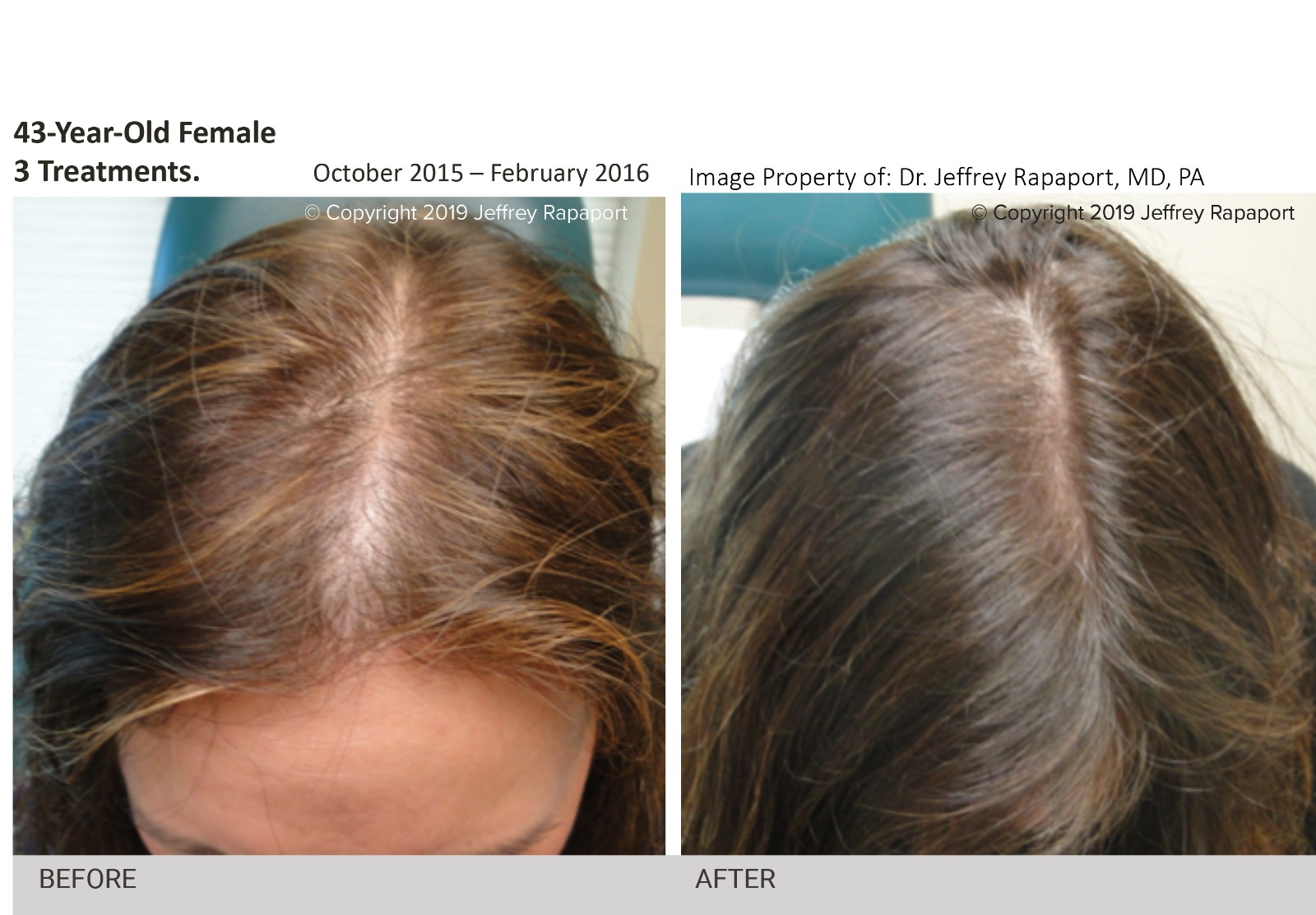
Possible risks include bleeding, bruising, swelling and infection. You may need more than one surgery to get the effect you want. Hereditary hair loss will eventually progress despite surgery. If your hair loss is caused by an underlying disease, treatment for that disease will be necessary.
Choose the right products
Make sure you know the possible side effects of your current medications as well as your supplements. If you know one of them may cause hair loss, that could be the culprit right there. Below I list some of the most common medications that can contribute to thinning hair and hair loss. Depending on what’s causing your hair loss, it may be temporary or permanent. For conditions like alopecia areata that may affect children as well as adults, groups can provide emotional support and even help you buy wigs or find other ways to cope. When you start to shed more strands — and fewer or none grow back — the condition is considered alopecia (hair loss).
Hair Loss Treatments
Moisturizing shampoos formulated without sulfates—chemicals in shampoos that help clean but can also be drying on sensitive or dry scalps—are a safe bet for everyone. In particular, celebrity stylist Tym Wallace tells SELF he recommends Oribe Gold Lust Repair & Restore Shampoo ($154, Bloomingdale’s or Moroccanoil Moisture Repair Shampoo ($24, Nordstrom). In fact, Samantha DelaFuente, a stylist at Marie Robinson Salons in New York and Miami, tells SELF that she recommends washing only two or three times a week. It’s totally normal to lose between 50 and 100 hairs a day, according to the American Academy of Dermatology (AAD), which you might notice on your pillow in the morning, on your hairbrush, or in the shower. If you go a few days without showering, you might notice more than a single day’s worth of hair in the shower, which may be a little disconcerting, but is still totally normal. Your doctor will also look at other areas on your body like your eyebrows, lashes, underarms, pubic area, legs and arms to assess if there’s hair loss.
Women's Rogaine 5% Minoxidil Foam
Promising New Hair Loss Treatment Using MicroRNA May Soon Be Available - Healthline
Promising New Hair Loss Treatment Using MicroRNA May Soon Be Available.
Posted: Tue, 27 Jun 2023 07:00:00 GMT [source]
Factors like age, diet, genetics and overall health determine how fast it grows and its health. In mouse experiments, scientists showed that the molecule, dubbed SCUBE3, could spark hair growth in dormant mouse follicles, and even in human ones that had been grafted onto mice. The research was described in a study published in Developmental Cell. While hair loss isn’t itself dangerous, losing your hair is an emotional experience.
What are the symptoms of hair loss?
As an alternative, oils—such as argan, coconut, and jojoba—provide similar benefits as serums, but actually penetrate deeper into the hair, Dr. Bridges says. They can be applied to wet hair or to dry hair as an anytime treatment or shine enhancer. If your hair is shedding, that means it’s falling out more quickly than it should be because it’s being shoved into the resting phase too early, SELF explained previously. But if you’re experiencing hair loss, that means there’s something stopping the hair from growing in the first place. And, because hair loss can be caused by different factors, it’s important to figure out which one you’re dealing with before trying to treat it.
Cure for hair loss? Breakthrough study may pave the way for new treatment
Effective treatment for hair loss begins with finding the cause. To get an accurate diagnosis, it helps to see a board-certified dermatologist. These doctors have in-depth knowledge about the many causes of hair loss and experience treating the diverse causes. A dermatologist is a medical doctor who specializes in treating the skin, hair, and nails. A 2015 study also found that rosemary oil may be as effective as minoxidil for treating androgenetic alopecia. Speak with a healthcare professional before introducing supplements to your diet and follow the manufacturer’s recommended dosage.
One 2015 study compared minoxidil and rosemary for hair growth, and both test groups saw significant increases in hair growth after six months. Tea tree oil also has antibacterial properties, according to our experts. We rounded up dermatologist- and trichologist-approved options to help promote hair growth and keep your strands healthy. Still, the evidence is mixed, and it's unclear how safe essential oils are.
Hair Loss: FDA Approves New Treatment for Alopecia - Healthline
Hair Loss: FDA Approves New Treatment for Alopecia.
Posted: Wed, 28 Jun 2023 07:00:00 GMT [source]
Regular pulling on your hair via tight ponytails, braids, extensions, or weaves can cause traction alopecia—shedding caused by persistent tension, per the AAD. And while the signs might not be as obvious as in men, about 55% of women experience some hair loss by the time they're 70. Treatments to prevent or stop it can help many women who are losing their hair. Thinning hair can grow back depending on what caused it to thin in the first place. People who experience thinning hair due to nutrient deficiencies, stress, pregnancy, and other nongenetic reasons could experience regrowth.
With that in mind, consider these the serums worth trying to achieve your unique hair goals. Many people think that hair loss only affects people assigned male at birth (AMAB). However, studies show that more than 50% of people assigned female at birth will experience noticeable hair loss. The most significant cause of hair loss in women is female-pattern hair loss (FPHL).
Hair transplant, or restoration surgery, can make the most of the hair you have left. When these flakes mix with the oil that’s produced by the scalp, they can clog your follicles and impair the hair’s nutrient supply, which ultimately weakens its structure. "As soon as you start to see hair loss — because hair disorders are often time-sensitive — I would encourage you to see a hair specialist, such as a dermatologist," she says.
This might not seem like a lot because you have 100,000 hair follicles on your head and hair typically grows back. Anyone with concerns about hair loss or who has sudden, unexpected hair loss should consult a healthcare professional. A dermatologist can also help find a suitable treatment option. The doctor may send hair or scalp samples to a laboratory for further testing. They may also order blood tests to rule out an underlying condition. Doctors can often diagnose the cause of thinning hair by looking at the pattern of hair loss.
At-home treatments offer convenience, and you can buy many of them without a prescription. Because studies show that the following can help, your dermatologist may include one (or more) in your at-home treatment plan. Once your dermatologist has this information, it’s often possible to tell you what’s causing your hair loss.
As an alternative, you can try hair-growth products containing a combination of redensyl, capixyl, and procapil (RCP), ingredients that are thought to target hair follicle stem cells, Dr. Bridges says. A study published earlier this year looked at the effects of RCP and minoxidil in 120 men with hair loss over 24 weeks. The results showed that those who received RCP treatment had significantly more improvement in their hair during the study compared to the minoxidil group. However, it’s not clear how well these results would translate to women or if the over-the-counter products out there containing these ingredients would stack up to those used in the study. After they determine the cause, your provider will learn more about your hair goals, like whether you want it to regrow or not. If your provider detects any underlying conditions that cause your hair loss, they’ll offer a treatment plan to help you manage that condition.
Hair loss itself may not have direct physical effects on your health, but the emotional toll may be significant. This article will use the terms “male,” “female,” or both to refer to sex assigned at birth. You'll soon start receiving the latest Mayo Clinic health information you requested in your inbox. When taken together, they can reduce the efficacy of one another. This article is based on scientific evidence, written by experts and fact checked by our trained editorial staff. Note that the numbers in parentheses (1, 2, etc.) are clickable links to medically peer-reviewed studies.
Wash your face after you apply minoxidil and make sure you avoid other areas when you apply it. These changes happen due to varying levels of hormones during menopause. Rub a small amount of serum through your wet hair before styling or air-drying.


No comments:
Post a Comment